Cross stitch guide
Cross stitch fabric colors
The color of the cloth is part of the design wherever it is not stitched over. White and cream suit most charts. A colored or dark cloth makes light and bright threads stand out, and hides any thread that is close to its own color.
On this page 9 parts
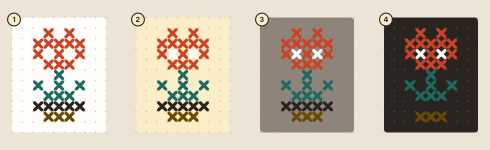
What the cloth color does
Unless a design covers every square, some cloth shows. That bare cloth is the background of the picture, and every thread is seen against it.
Two things follow. A thread close to the color of the cloth fades into it: white stitches on white cloth, black stitches on black. And a thread far from the color of the cloth stands out: bright colors on black, dark colors on white. The picture above shows one flower on four cloths.
White, antique white and cream
These are the usual grounds, and the safe choice for most charts.
- Bright white is crisp and clean. Colors look sharp on it. White and very pale threads do not show.
- Antique white is an off-white that several makers sell beside bright white and ivory.
- Cream or ivory is warmer and suits traditional designs. Colors sit more gently on it than on bright white.
If a chart has white stitches that matter, such as snow or the glint in an eye, choose a ground that is not white.
Colored cloth
Aida and linen are dyed in pastels, brights and deep colors, and a colored ground becomes part of the picture.
Before you buy, check three things.
- The color name is not a standard. Two makers can sell two different shades under one name, and the same dye looks different on Aida than on linen.
- A screen is not the cloth. Colors differ from one screen to the next, so the cloth in your hand may not match its picture.
- Dyed cloth can give off color when wet, hand-dyed cloth in particular. Test a corner in cool water before you stitch on anything you plan to wash. How to wash cross stitch has the method.
Cloth dyed by hand has a ground that varies in shade: see hand-dyed fabric.
Dark cloth
Black, navy and other dark cloths make bright and light colors glow. They suit night skies and bold modern designs.
Dark cloth is harder to stitch, because the holes are hard to see. Cross stitching on black fabric has what helps.
How to pick a color
- Find the lightest and the darkest thread in the chart. Do not choose a cloth close to either, or those stitches will disappear.
- See how much cloth will show. In an open design, the cloth is most of the picture. In a design stitched solid, it hardly shows at all.
- Try the colors you are unsure of. Stitch a few crosses in a corner of the cloth. A color that sinks into the cloth there will sink in the design too.
- When unsure, choose white, antique white or cream. The weave is also easiest to see on a light cloth, which makes it the right choice for a first project.
Seeing a pattern on different cloth colors
Every cross stitch pattern on this site can be shown on four cloths before you stitch a thing. On the page of a pattern, the Fabric color buttons switch the preview between ivory, natural, slate and black. Each design opens on the one its stitches show best against.
The buttons change the preview only. The chart, the thread list and the PDF are the same whichever cloth you look at, and you can stitch the design on any color you like.
Sparkle and opalescent fabric
Some Aida, evenweave and linen has a glinting thread woven in: silver, gold, or a pearly thread sold as opalescent. The glint shows wherever the cloth is left bare, so it does most for an open design. It is counted and stitched like plain cloth of the same count.
Questions people ask
What color Aida is best for a beginner? White or cream. The holes are easiest to see on a light cloth.
Does the cloth color change the threads I need? No. A chart's threads stay the same. Only how they look against the ground changes.
Can I dye cloth myself? Yes: see dyeing fabric.
Next
Open any design in the patterns and try it on each of the four cloths before you choose.