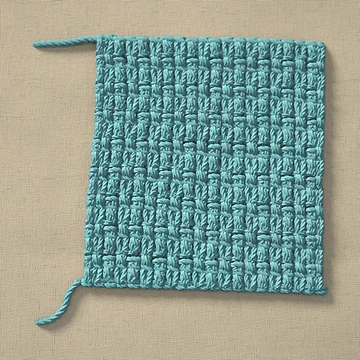
7 × 60¼ in Beginner
Crochet patterns written row by row with stitch counts and a yarn list, guides to hooks, yarn weights and gauge, and charts for abbreviations and hook sizes.
Free patterns to print. Choose a project.
More blankets
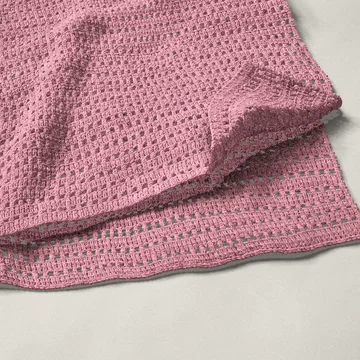
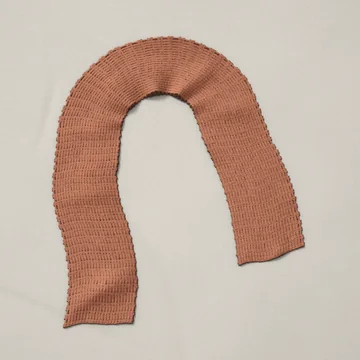
7 × 60¼ in Beginner
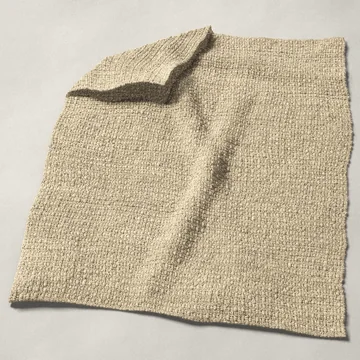
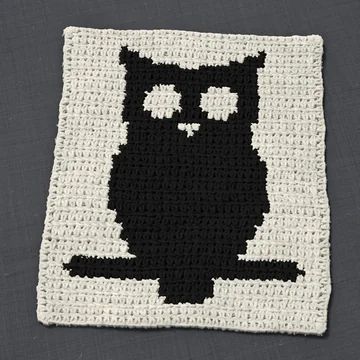
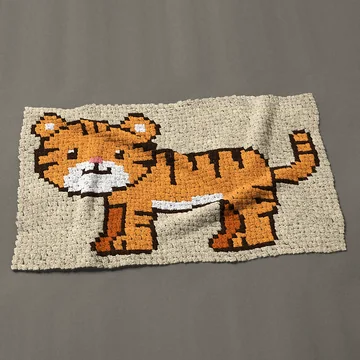
32¼ × 40¼ in Beginner
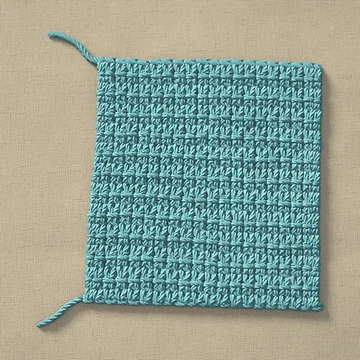
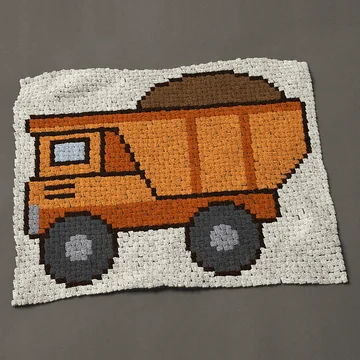
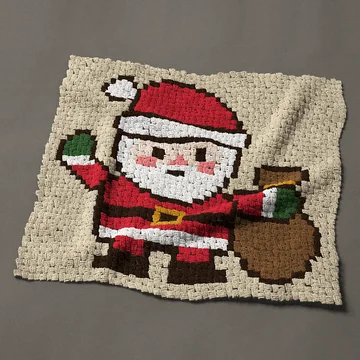
8 × 8 in Beginner
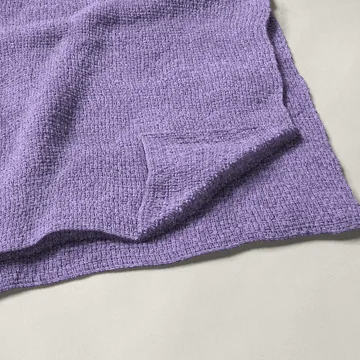
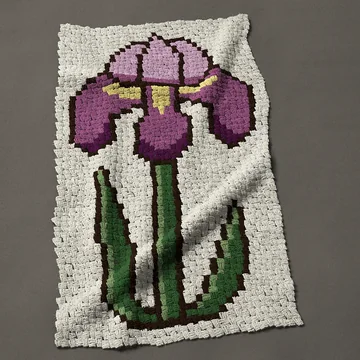
54¼ × 66¼ in Beginner
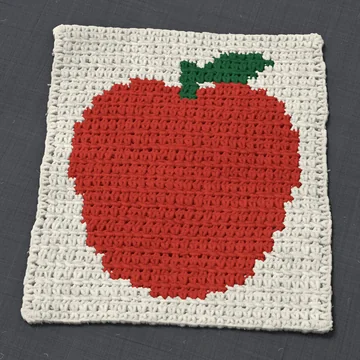
9¾ × 11 in Easy
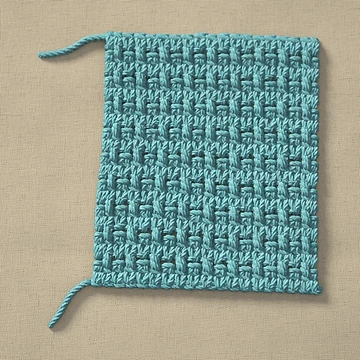
8¼ × 8¼ in Beginner
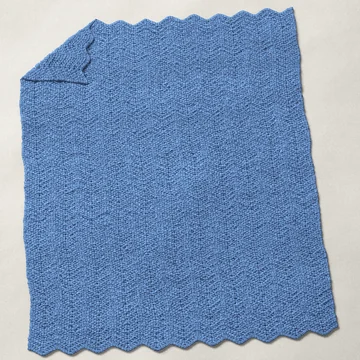
31½ × 40 in Easy
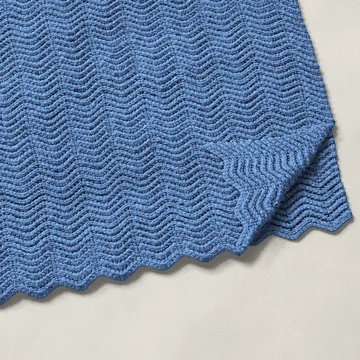
51½ × 60 in Easy
Shown at the top of the page: Blankets and afghans, Baby blankets, Scarves, Graph patterns, Animal blankets, Christmas blankets.
To crochet, you put a loop on a hook, make a chain, and then work rows of stitches back and forth into it, beginning with single crochet (double crochet in United Kingdom patterns).
You need very little to start crocheting: a hook, a ball of yarn and a pair of scissors.
There is no one correct way to hold a crochet hook or the yarn.
A slip knot puts the first loop on the hook.
To make a chain stitch, bring the yarn over the hook and pull it through the loop on the hook.
To single crochet, push the hook into the next stitch, pull up a loop, then take the yarn over the hook and pull it through both loops on the hook.
To turn your work at the end of a row, make a turning chain and turn the piece around with the hook still in the loop.
A crochet pattern is a list of rows.
Gauge is the number of stitches and rows that fit in a set measure, usually 4 in (10 cm).

Used for the foundation chain.

Used for first projects.

Used for a solid, fairly close fabric, as for blankets.

Used for granny squares and other pieces worked in rounds.

Used for open, airy fabric.

Used for joining a chain into a ring.
US terms, with the UK term beside a stitch where the two differ. The same word can mean two stitches: a US single crochet is a UK double crochet, so check which terms a pattern uses before you start.