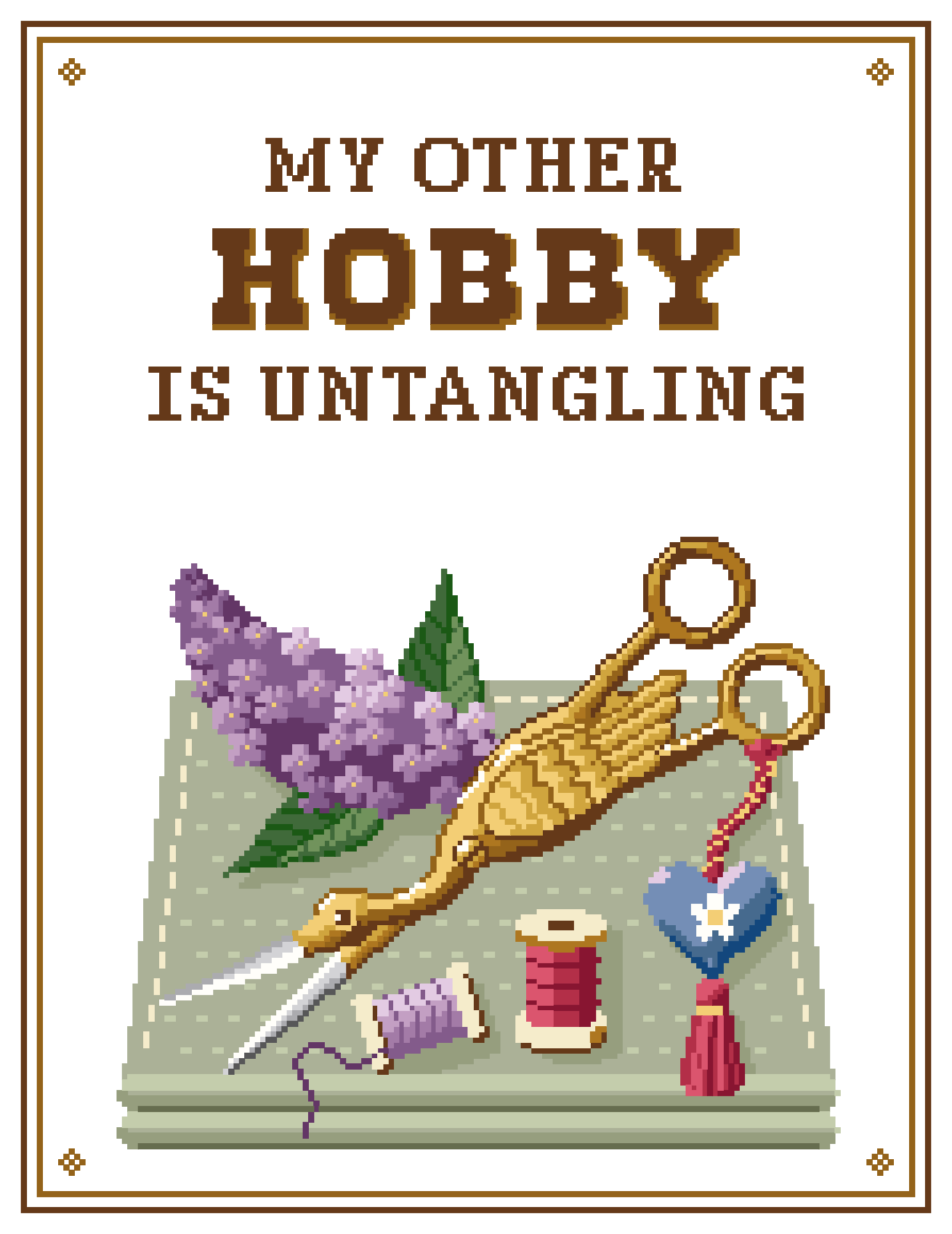
Advanced 15,632 stitches 12.2 × 16 in · 28 colors
My other hobby is untangling
5 versions to choose from
Cross stitch, 207 × 228 stitches, 28 colors, advanced
Version 1 of 2: Stork scissors and lilac See all 2

It comes out 25.9 × 28.5 in, with 3 in of fabric to spare on every side.
It comes out 18.8 × 20.7 in, with 3 in of fabric to spare on every side.
It comes out 14.8 × 16.3 in, with 3 in of fabric to spare on every side.
It comes out 12.9 × 14.3 in, with 3 in of fabric to spare on every side.
It comes out 11.5 × 12.7 in, with 3 in of fabric to spare on every side.
It comes out 10.4 × 11.4 in, with 3 in of fabric to spare on every side.
It comes out 9.4 × 10.4 in, with 3 in of fabric to spare on every side.
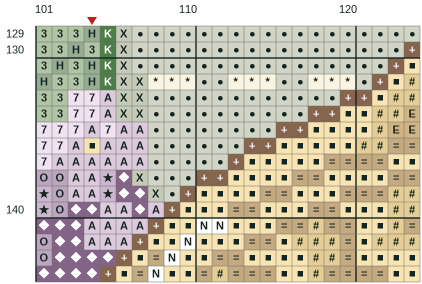
| Symbol | Thread | Stitches | Skeins |
|---|---|---|---|
| ● | DMC 523 Light Fern Green | 4,422 | 9533222 |
| + | DMC 801 Dark Coffee Brown | 3,215 | 7422222 |
| = | DMC 780 Ultra Very Dark Topaz | 1,246 | 3211111 |
| X | DMC 522 Fern Green | 1,096 | 3211111 |
| ▲ | DMC 524 Very Light Fern Green | 906 | 2211111 |
| ■ | DMC 3821 Straw | 545 | 2111111 |
| O | DMC 208 Very Dark Lavender | 524 | 2111111 |
| ◆ | DMC 327 Dark Violet | 368 | 1 |
| ★ | DMC 209 Dark Lavender | 358 | 1 |
| # | DMC 729 Medium Old Gold | 329 | 1 |
| A | DMC 210 Medium Lavender | 318 | 1 |
| * | DMC 677 Very Light Old Gold | 307 | 1 |
| T | DMC 520 Dark Fern Green | 255 | 1 |
| H | DMC 3346 Hunter Green | 225 | 1 |
| V | DMC 3831 Dark Raspberry | 178 | 111111a scrap |
| 4 | DMC 799 Medium Delft Blue | 165 | 111111a scrap |
| N | DMC BLANC White | 156 | 11111a scrapa scrap |
| U | DMC 3685 Very Dark Mauve | 151 | 11111a scrapa scrap |
| E | DMC 782 Dark Topaz | 129 | 111a scrapa scrapa scrapa scrap |
| 7 | DMC 211 Light Lavender | 127 | 111a scrapa scrapa scrapa scrap |
| K | DMC 3345 Dark Hunter Green | 124 | 111a scrapa scrapa scrapa scrap |
| Y | DMC 3832 Medium Raspberry | 118 | 111a scrapa scrapa scrapa scrap |
| 3 | DMC 3347 Medium Yellow Green | 92 | 11a scrapa scrapa scrapa scrapa scrap |
| L | DMC 798 Dark Delft Blue | 73 | 11a scrapa scrapa scrapa scrapa scrap |
| ❏ | DMC 415 Pearl Gray | 51 | 1a scrapa scrapa scrapa scrapa scrapa scrap |
| ✓ | DMC 797 Royal Blue | 49 | 1a scrapa scrapa scrapa scrapa scrapa scrap |
| ✩ | DMC 318 Light Steel Gray | 43 | 1a scrapa scrapa scrapa scrapa scrapa scrap |
| J | DMC 413 Dark Pewter Gray | 22 | a scrap |
Skeins are an estimate for 8-count with four strands11-count with three strands14-count with two strands16-count with two strands18-count with two strands20-count with two strands22-count with two strands: 48 skeins and a little of one color34 skeins and a little of 4 colors25 skeins and a little of 6 colors21 skeins and a little of 10 colors20 skeins and a little of 10 colors18 skeins and a little of 12 colors16 skeins and a little of 14 colors. A scrap: under 18 in (46 cm) of whole, six-strand floss. Leftovers will do. How it is worked out
Suggested DMC colors. Screen colors are approximate. A number opens a search for that thread on Amazon, in a new tab. Floss Field is not affiliated with DMC or Amazon.
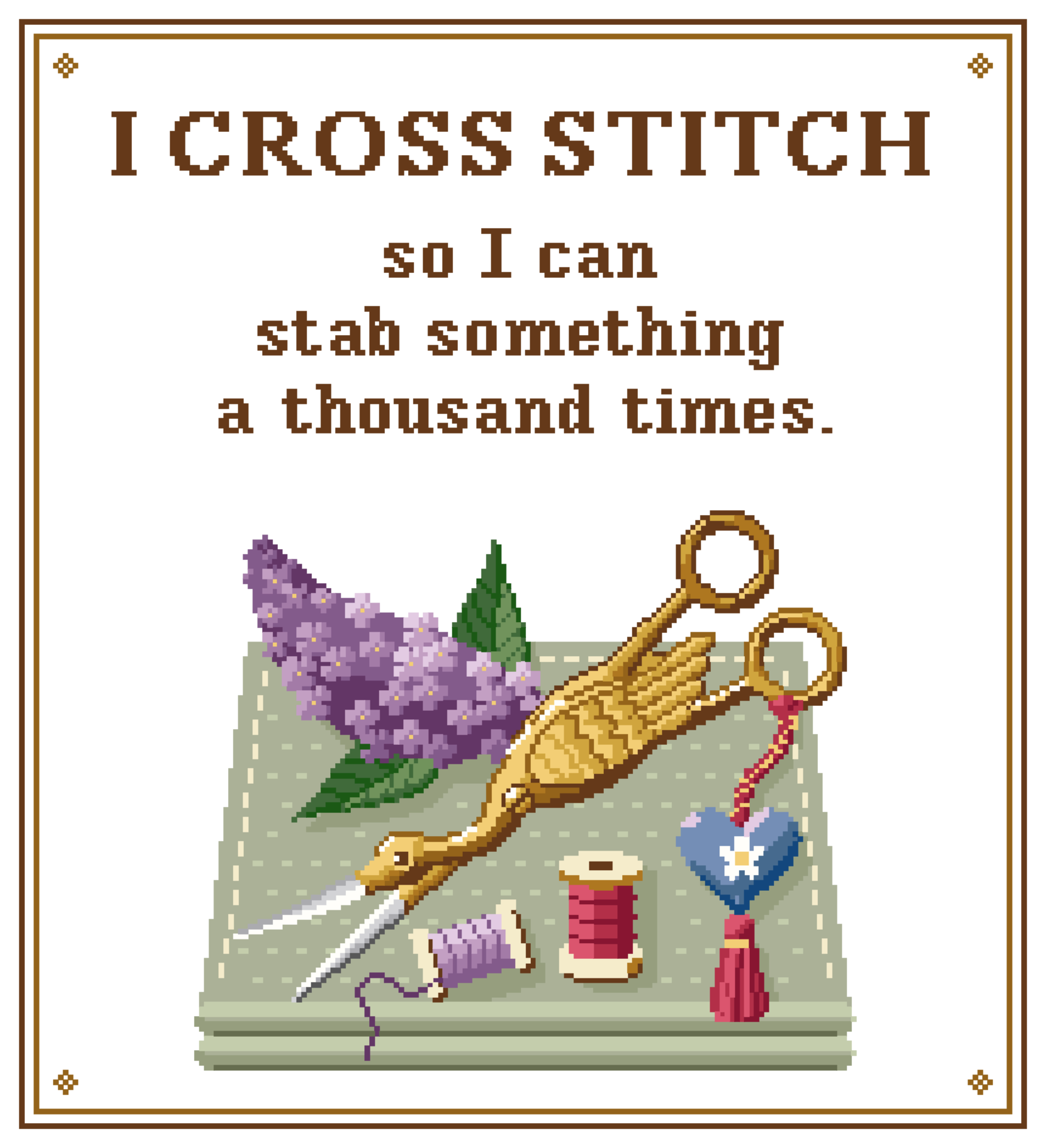
“I cross stitch so I can stab something a thousand times.” The whole text, charted for counted cross stitch with its first words large, in two versions, each with a picture (stork scissors and lilac and hedgehog as a pincushion). Full crosses only, no backstitch.
Advanced 15,632 stitches 12.2 × 16 in · 28 colors
5 versions to choose from
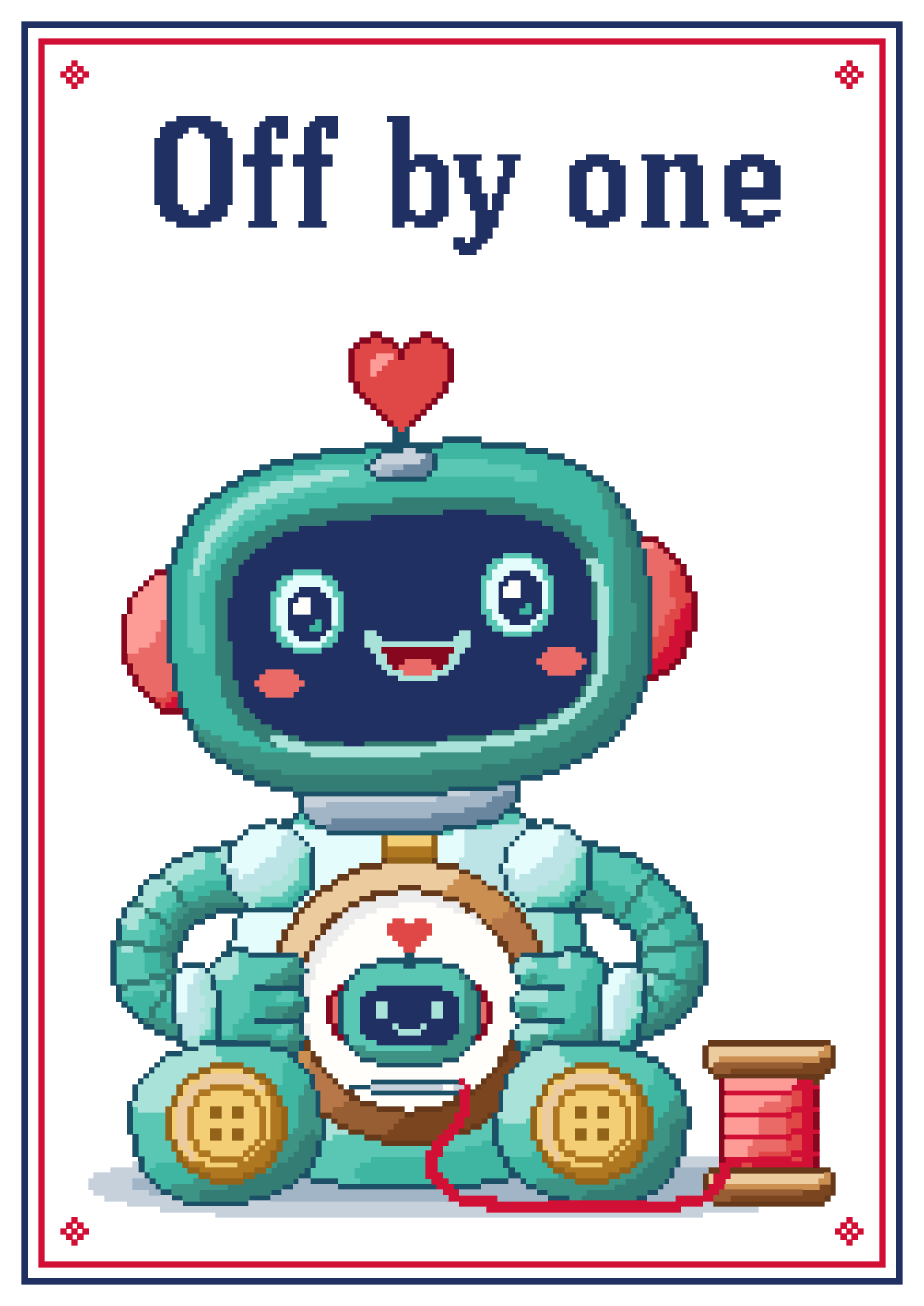
Advanced 15,432 stitches 11.4 × 16.3 in · 28 colors
7 versions, from 578 stitches
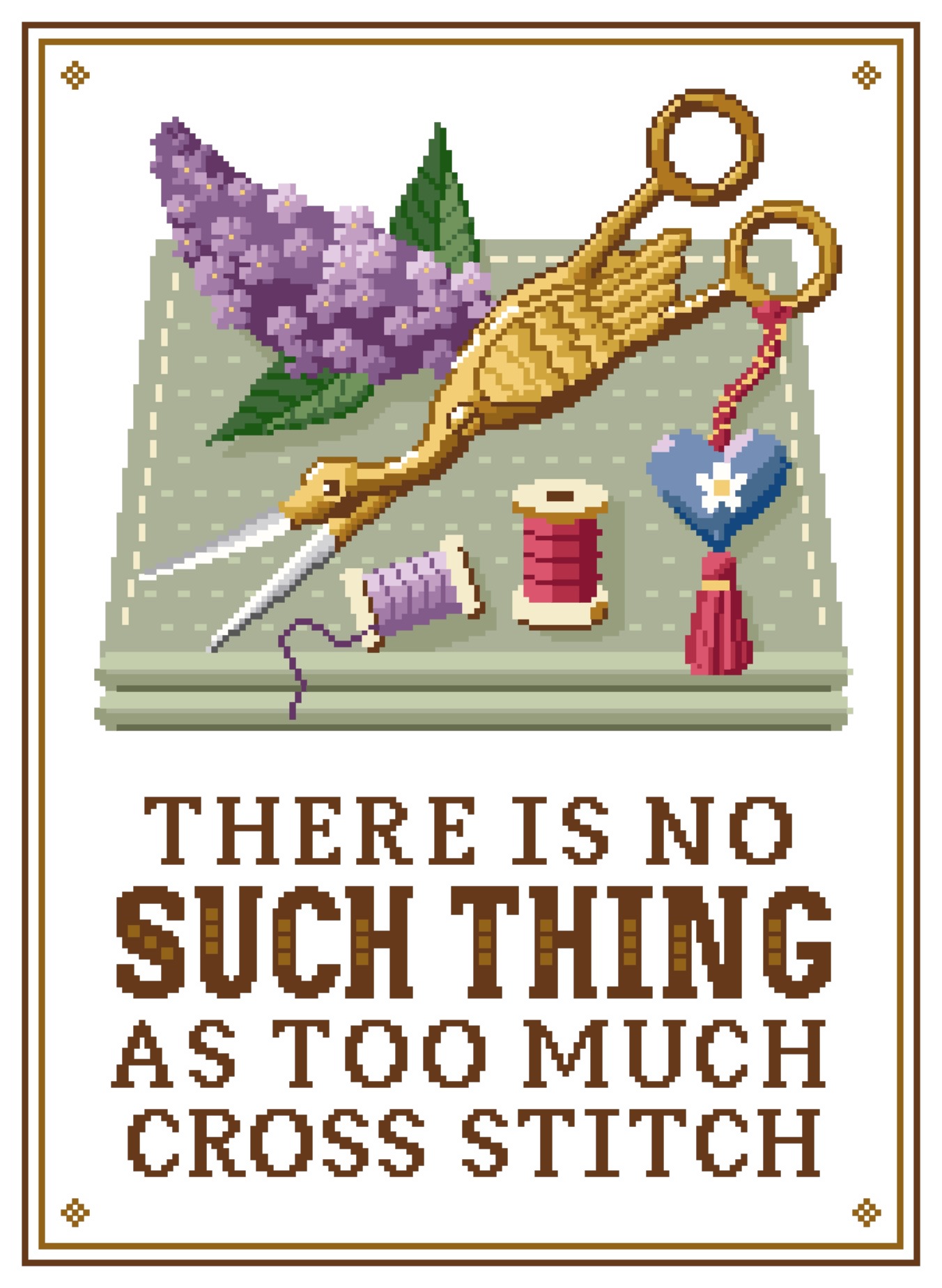
Advanced 16,347 stitches 11.5 × 15.9 in · 28 colors
2 versions to choose from
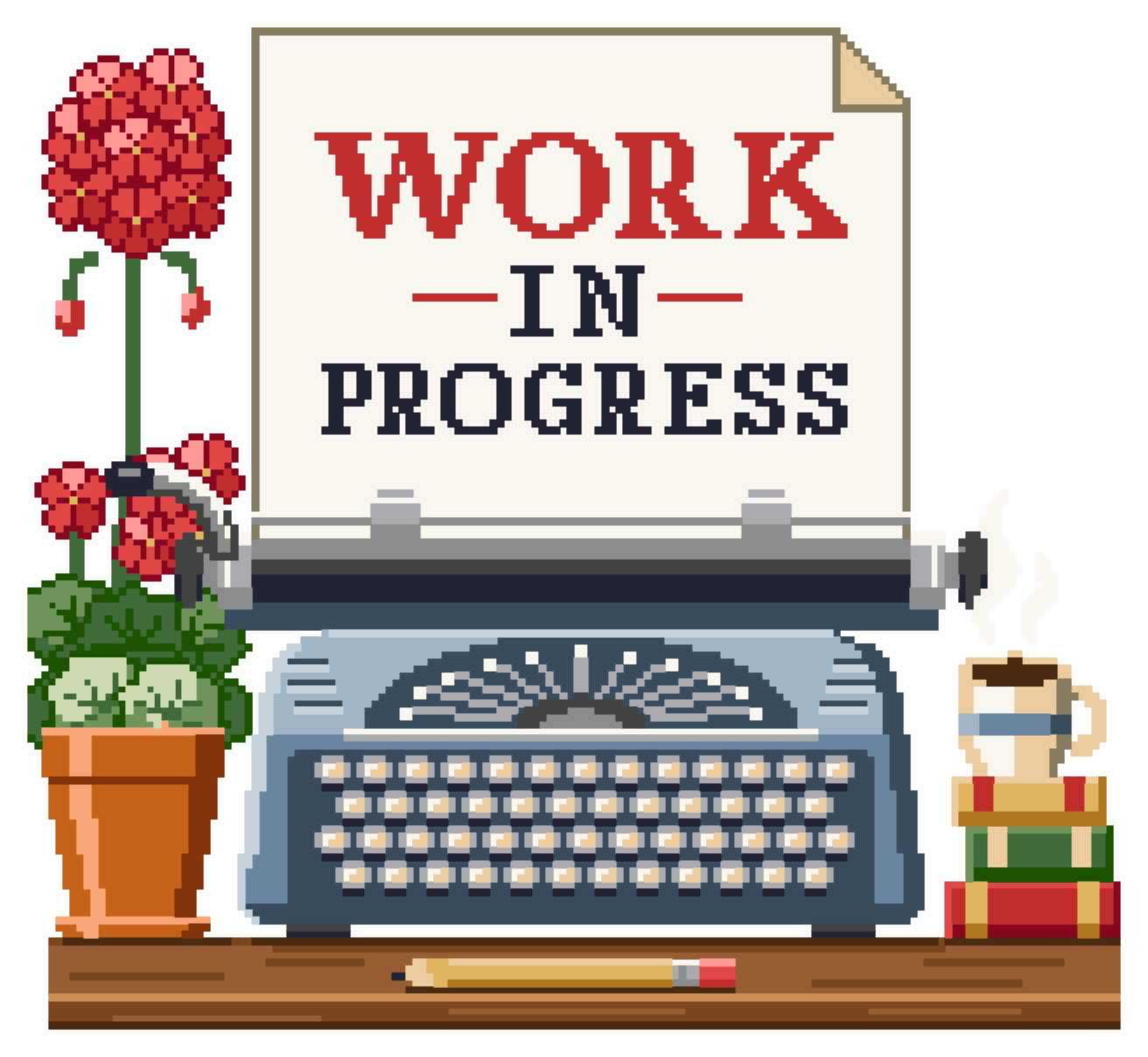
Advanced 17,479 stitches 11.1 × 10.2 in · 28 colors
8 versions, from 647 stitches
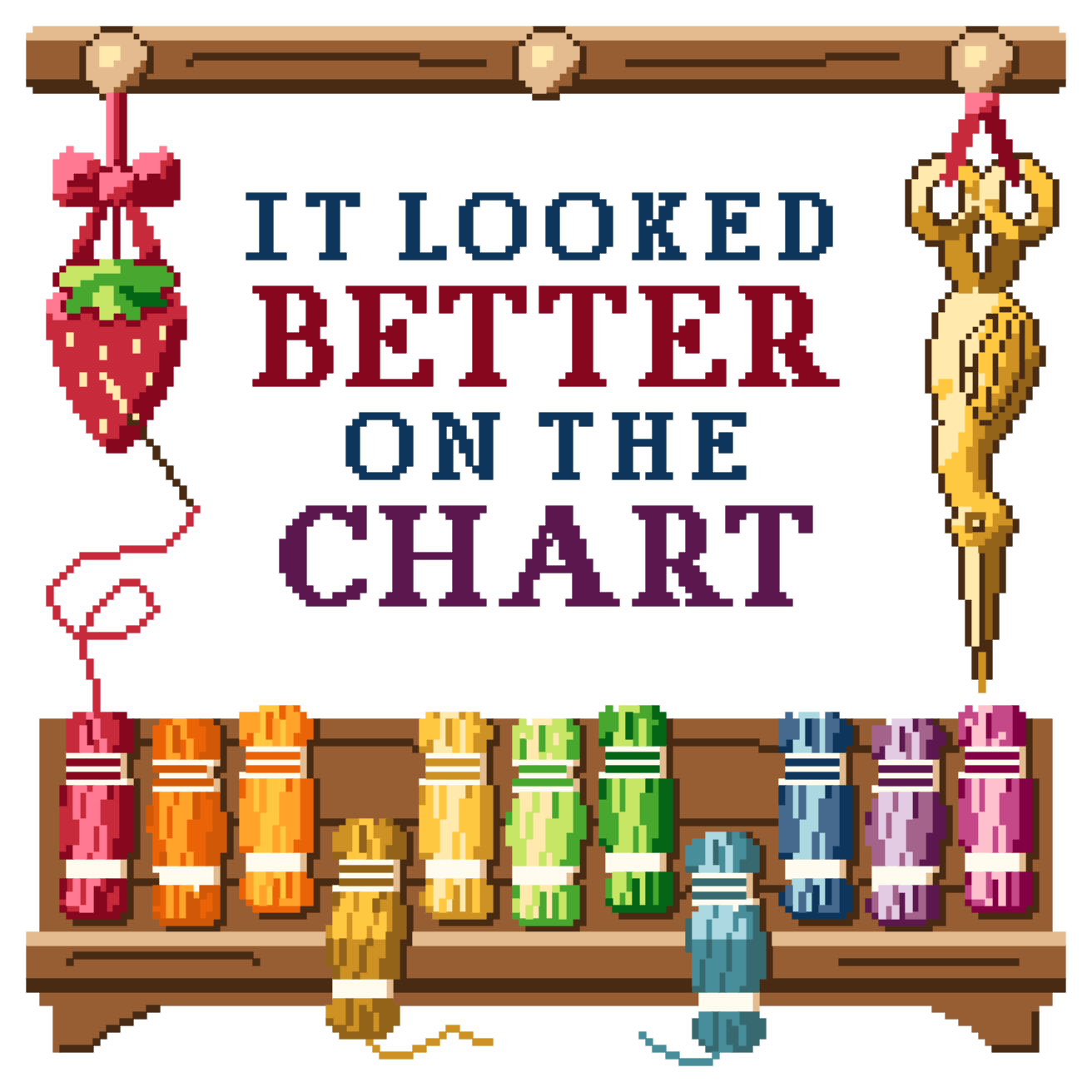
Advanced 11,760 stitches 11.1 × 11.1 in · 28 colors
3 versions to choose from
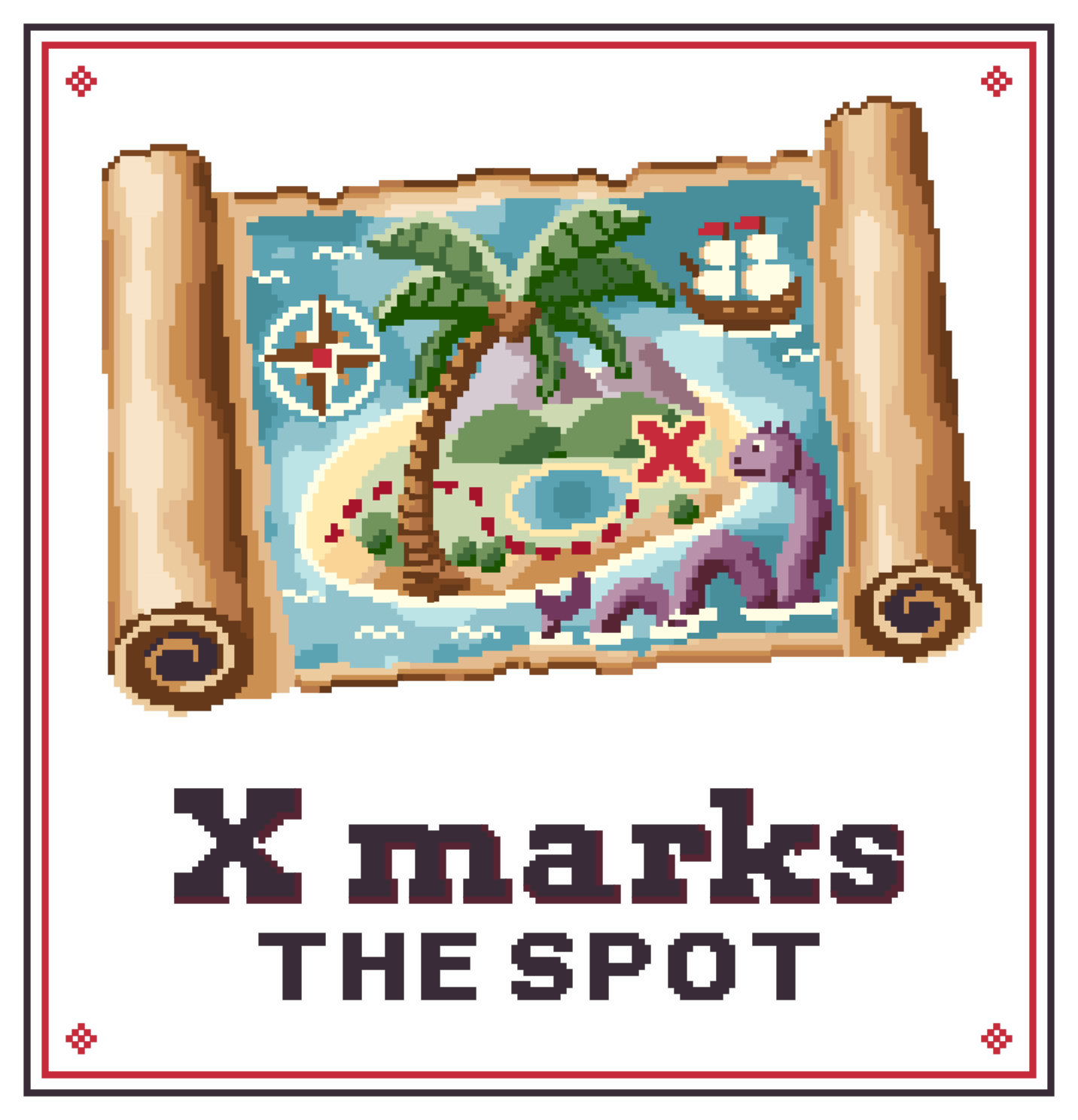
Advanced 14,995 stitches 12.2 × 12.7 in · 28 colors
7 versions, from 736 stitches
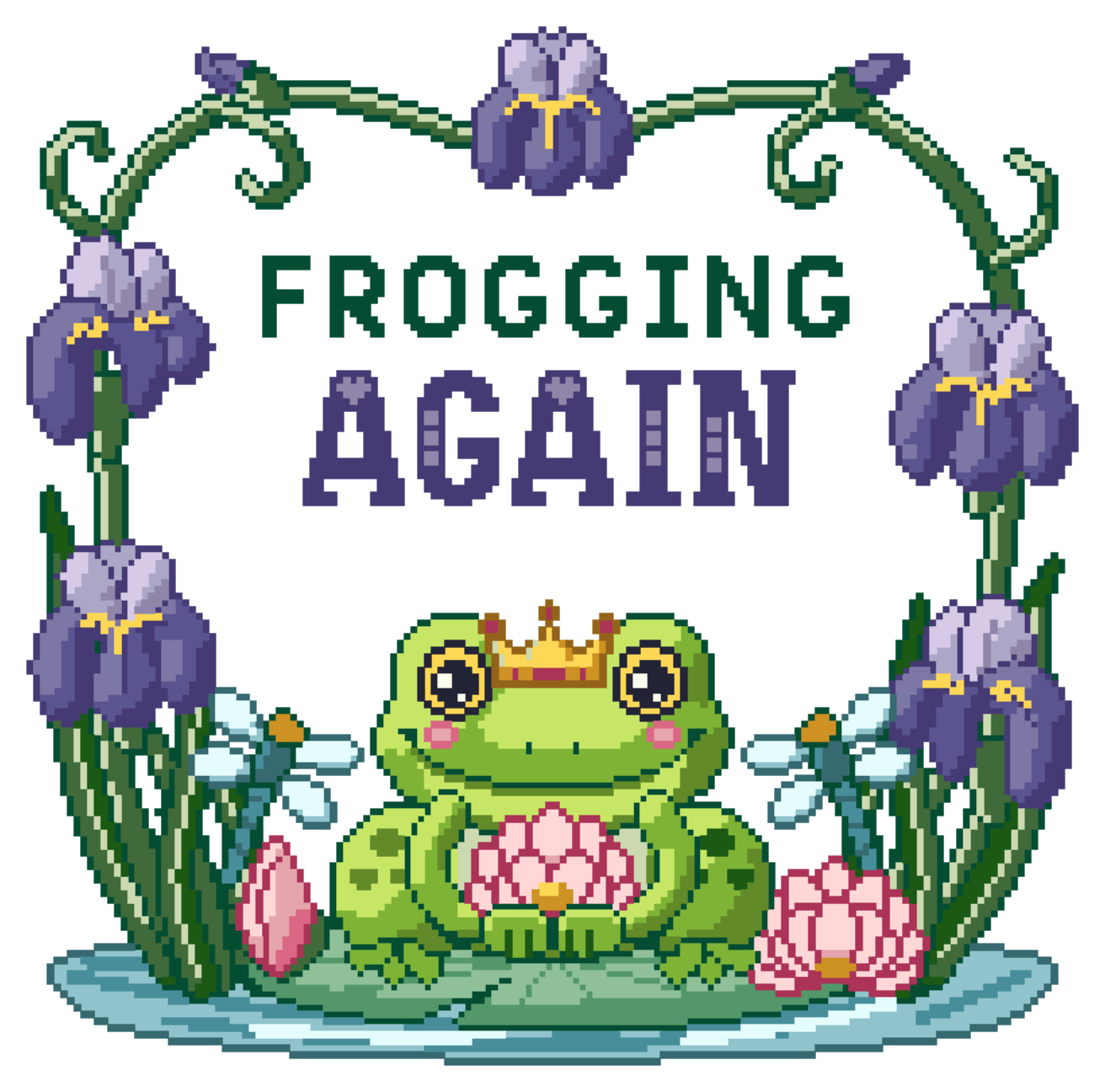
Advanced 12,355 stitches 11.1 × 11 in · 28 colors
9 versions, from 756 stitches
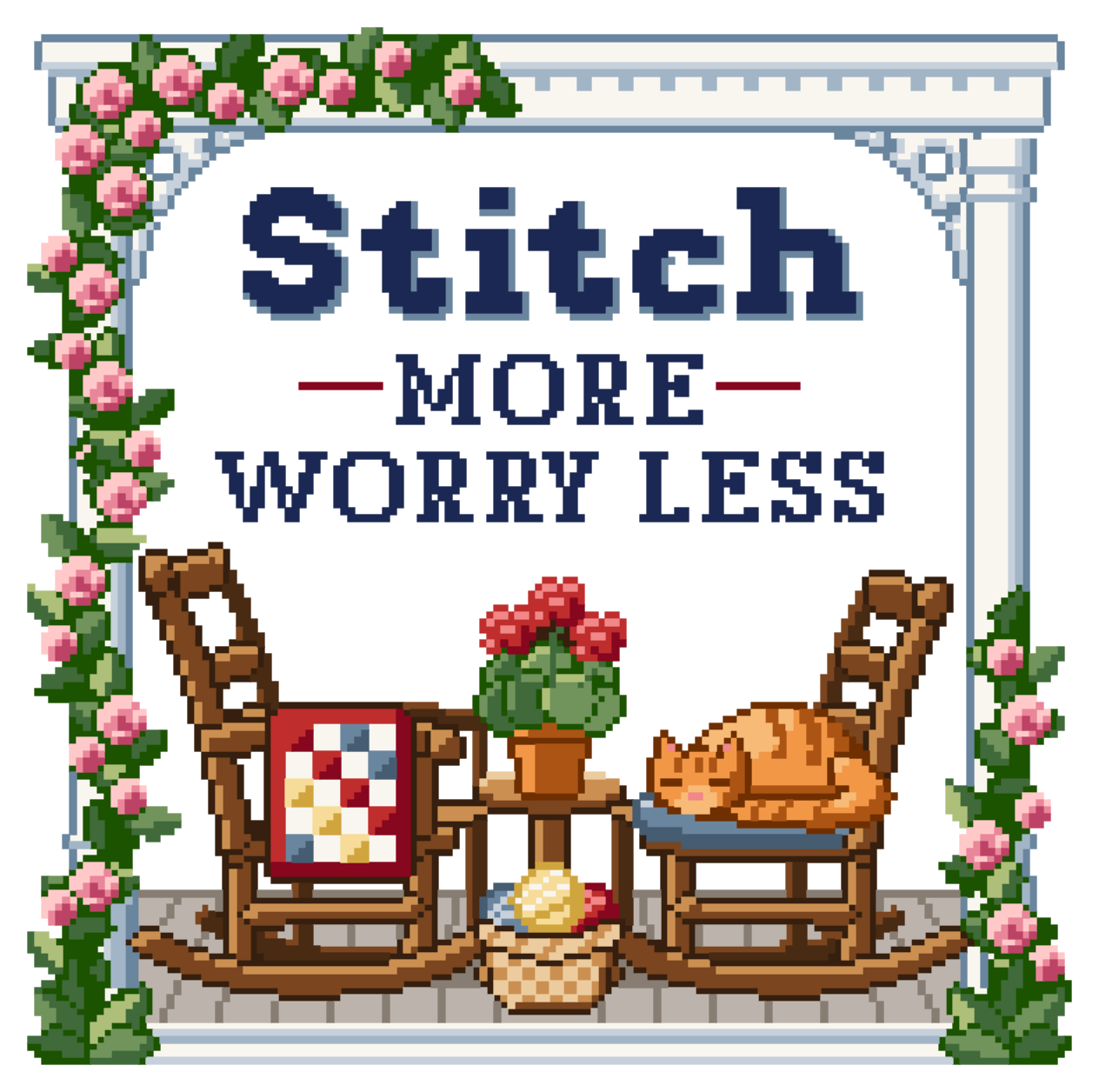
Advanced 12,758 stitches 10.7 × 10.6 in · 29 colors
8 versions, from 820 stitches
New to cross stitch? How to cross stitch
Count is the number of squares to the inch: 14-count fabric has 14, and a higher count makes the same design smaller. DMC is the thread maker whose color numbers most charts use.