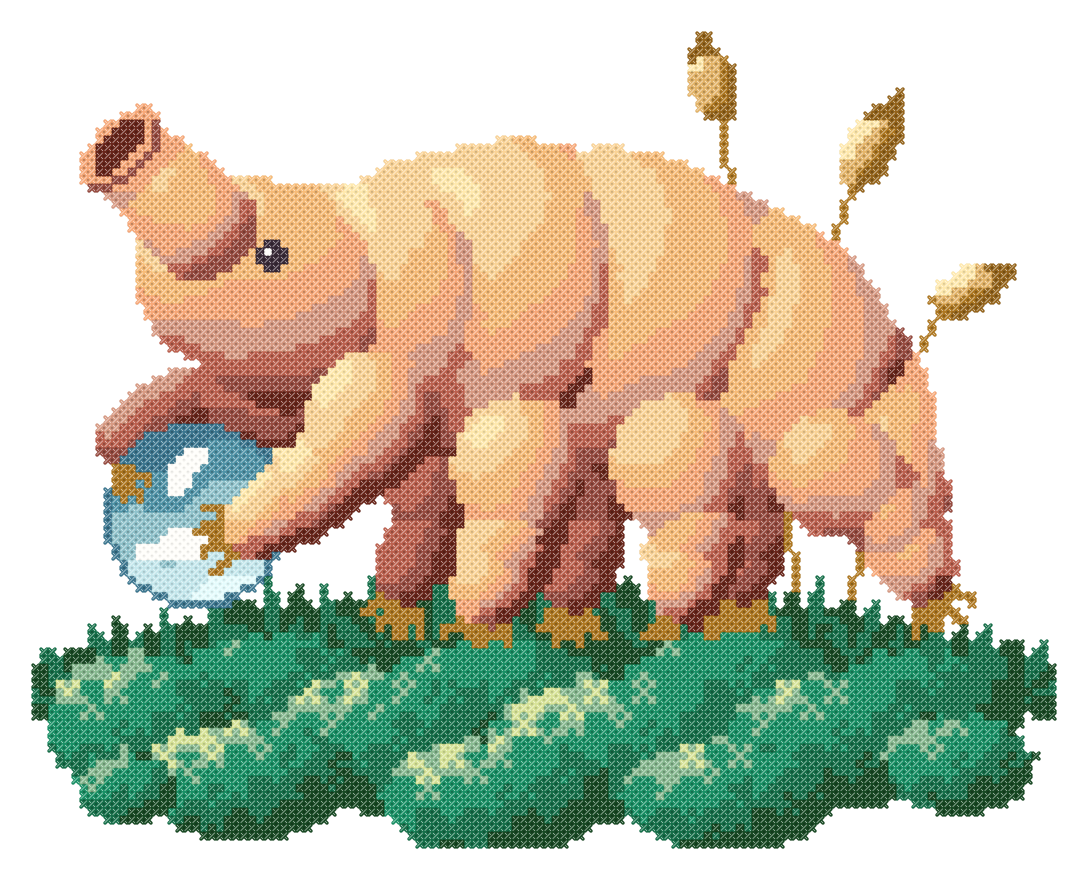
Advanced 8,727 stitches 9.1 × 7.3 in · 23 colors
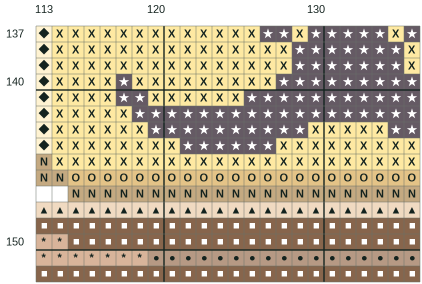
Cross stitch, 154 × 158 stitches, 28 colors, advanced
It comes out 19.3 × 19.8 in, with 3 in of fabric to spare on every side.
It comes out 14 × 14.4 in, with 3 in of fabric to spare on every side.
It comes out 11 × 11.3 in, with 3 in of fabric to spare on every side.
It comes out 9.6 × 9.9 in, with 3 in of fabric to spare on every side.
It comes out 8.6 × 8.8 in, with 3 in of fabric to spare on every side.
It comes out 7.7 × 7.9 in, with 3 in of fabric to spare on every side.
It comes out 7 × 7.2 in, with 3 in of fabric to spare on every side.
| Symbol | Thread | Stitches | Skeins |
|---|---|---|---|
| ● | DMC 433 Medium Brown | 1,066 | 3211111 |
| X | DMC 726 Light Topaz | 919 | 2211111 |
| ▲ | DMC 437 Light Tan | 801 | 2111111 |
| + | DMC 353 Peach | 721 | 2111111 |
| ■ | DMC 801 Dark Coffee Brown | 688 | 2111111 |
| O | DMC 783 Medium Topaz | 621 | 2111111 |
| ◆ | DMC 745 Light Pale Yellow | 562 | 2111111 |
| = | DMC 815 Medium Garnet | 551 | 2111111 |
| ★ | DMC 3371 Black Brown | 550 | 2111111 |
| # | DMC 352 Light Coral | 507 | 2111111 |
| A | DMC 3752 Very Light Antique Blue | 467 | 1 |
| * | DMC 435 Very Light Brown | 463 | 1 |
| T | DMC 931 Medium Antique Blue | 452 | 1 |
| H | DMC 3820 Dark Straw | 451 | 1 |
| V | DMC 321 Red | 428 | 1 |
| 4 | DMC 550 Very Dark Violet | 387 | 1 |
| N | DMC 780 Ultra Very Dark Topaz | 337 | 1 |
| U | DMC 922 Light Copper | 275 | 1 |
| E | DMC 351 Coral | 232 | 1 |
| 7 | DMC 300 Very Dark Mahogany | 157 | 11111a scrapa scrap |
| K | DMC 154 Very Dark Grape | 128 | 111a scrapa scrapa scrapa scrap |
| Y | DMC 553 Violet | 116 | 111a scrapa scrapa scrapa scrap |
| 3 | DMC 402 Very Light Mahogany | 95 | 11a scrapa scrapa scrapa scrapa scrap |
| L | DMC 920 Medium Copper | 94 | 11a scrapa scrapa scrapa scrapa scrap |
| ❏ | DMC 3750 Very Dark Antique Blue | 84 | 11a scrapa scrapa scrapa scrapa scrap |
| ✓ | DMC 333 Very Dark Blue Violet | 70 | 11a scrapa scrapa scrapa scrapa scrap |
| ✩ | DMC 3865 Winter White | 51 | 1a scrapa scrapa scrapa scrapa scrapa scrap |
| J | DMC 554 Light Violet | 28 | a scrap |
Skeins are an estimate for 8-count with four strands11-count with three strands14-count with two strands16-count with two strands18-count with two strands20-count with two strands22-count with two strands: 38 skeins and a little of one color28 skeins and a little of 2 colors22 skeins and a little of 6 colors20 skeins and a little of 8 colors20 skeins and a little of 8 colors19 skeins and a little of 9 colors19 skeins and a little of 9 colors. A scrap: under 18 in (46 cm) of whole, six-strand floss. Leftovers will do. How it is worked out
Suggested DMC colors. Screen colors are approximate. A number opens a search for that thread on Amazon, in a new tab. Floss Field is not affiliated with DMC or Amazon.
The malaria life cycle on navy, clockwise by four curved gold arrows: in the middle a blood-fed mosquito stands on a slice of skin with her beak in a vein; an orange liver cell packed with parasites, red blood cells with ring stages beside one bursting open, and two red cells holding crescent gametocytes; below on a walnut bench stand a brass microscope and a yellow biohazard sign. Full crosses only.
In the picture: mosquito, malaria, microscope, biohazard sign, red blood cells
Advanced 8,727 stitches 9.1 × 7.3 in · 23 colors
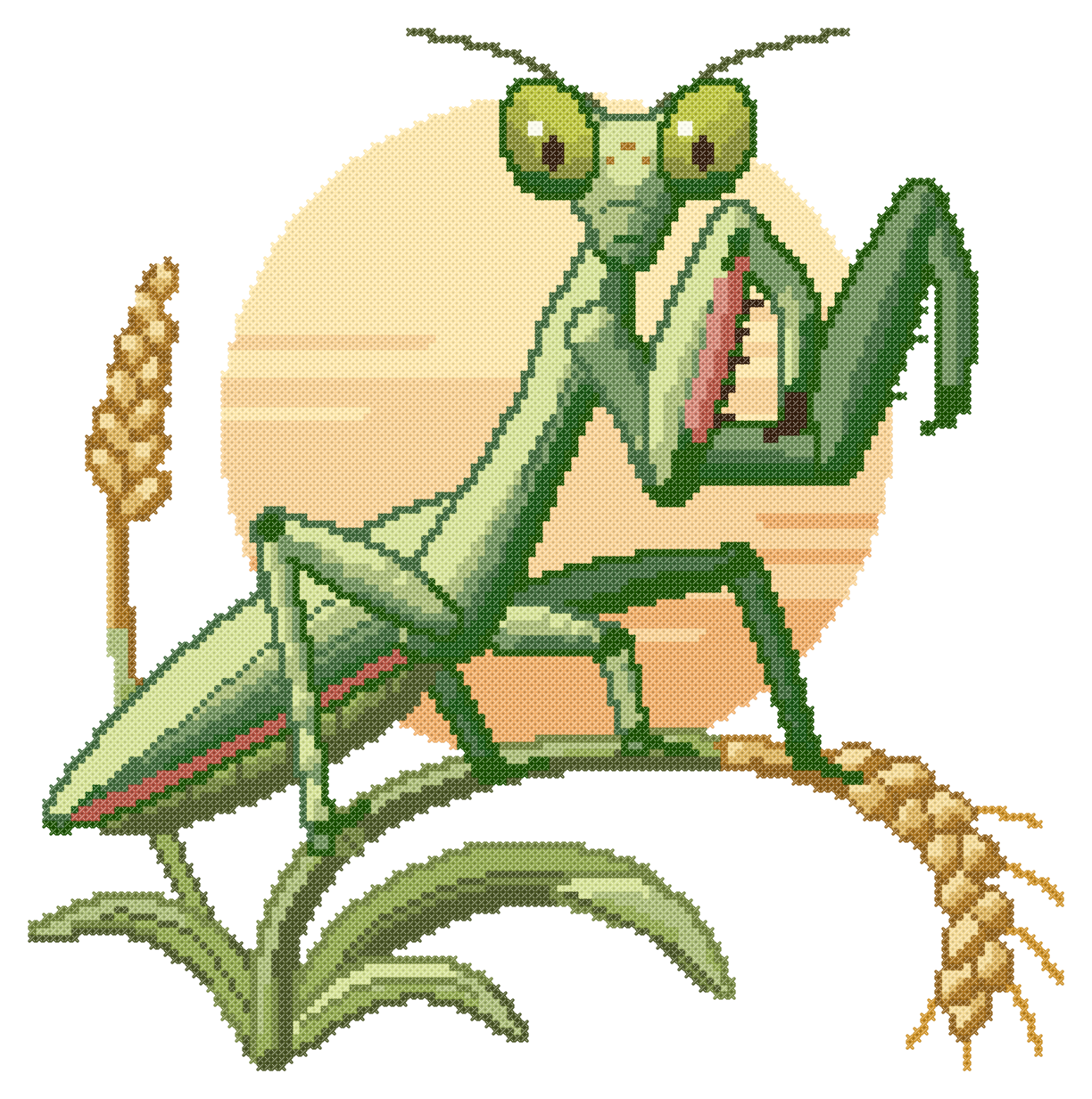
Advanced 10,966 stitches 10.4 × 10.4 in · 24 colors
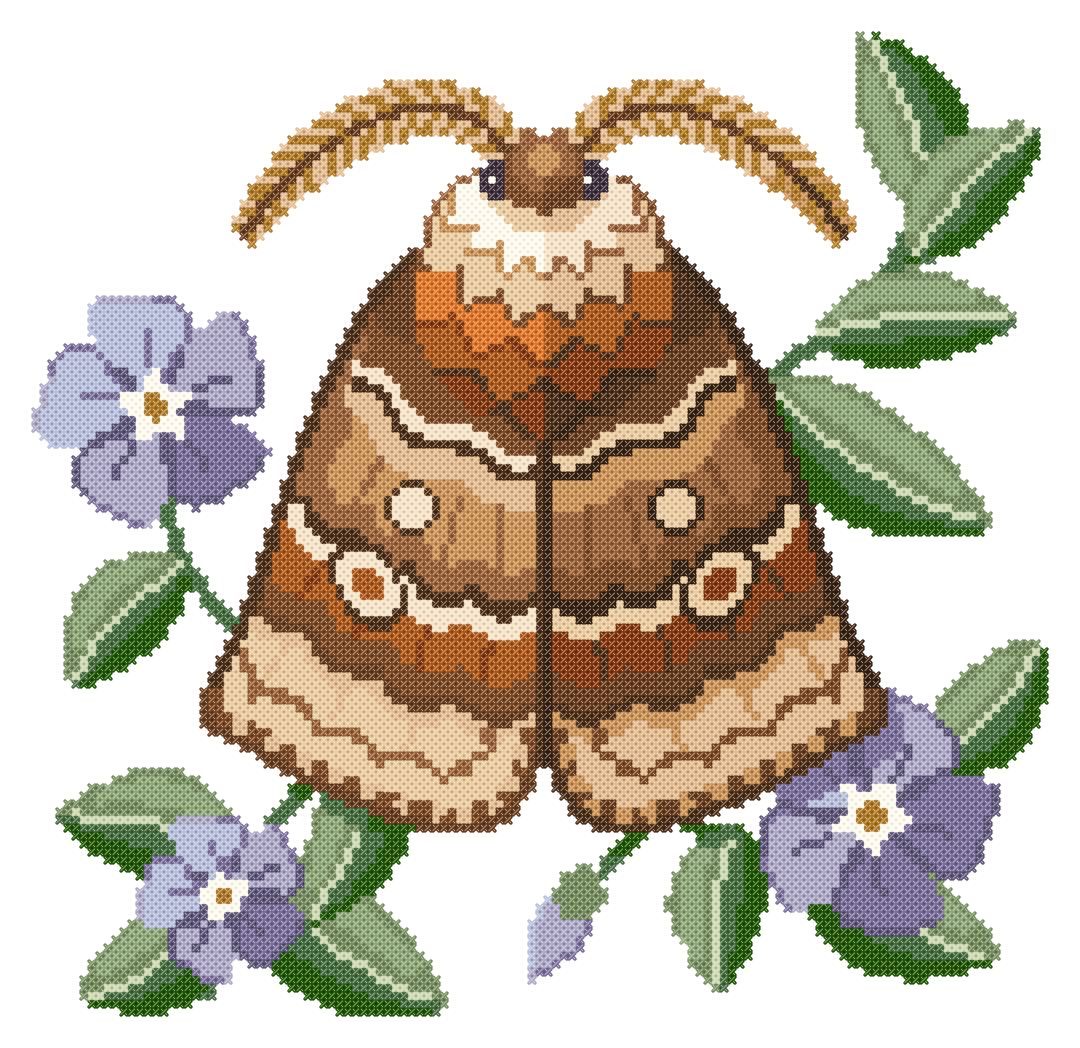
Advanced 9,419 stitches 9.1 × 8.8 in · 24 colors
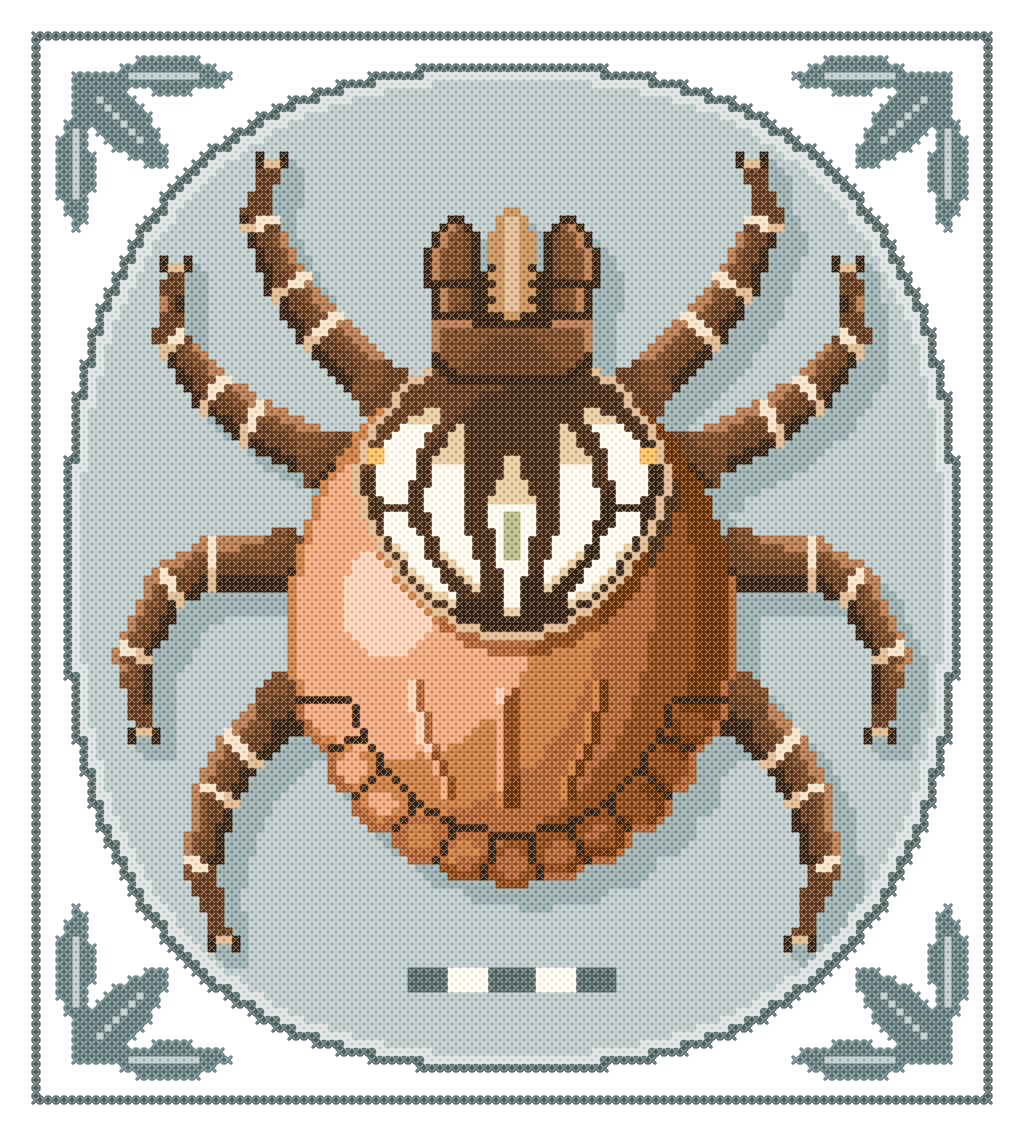
Advanced 13,220 stitches 8.6 × 9.6 in · 23 colors
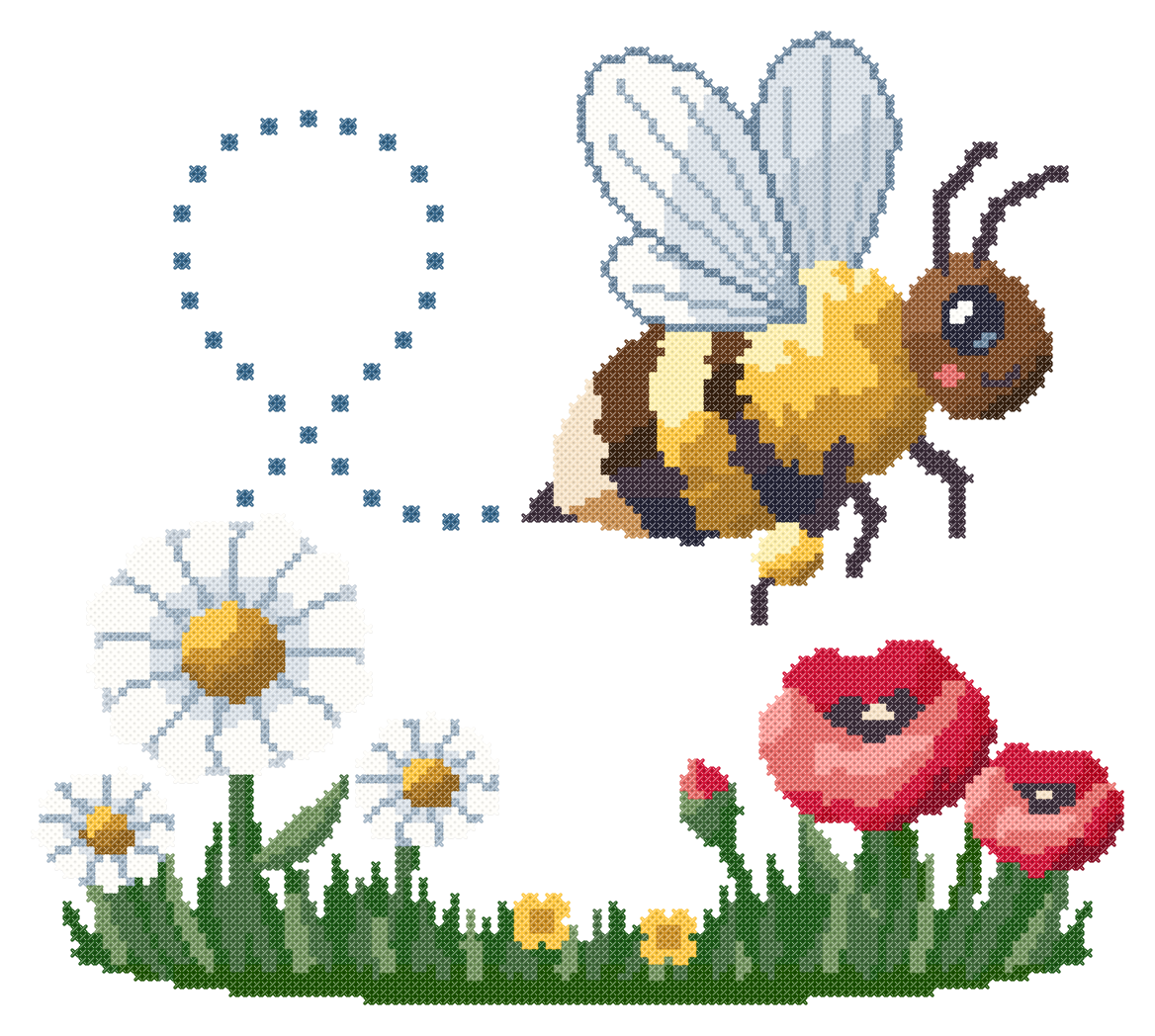
Advanced 7,005 stitches 9.9 × 8.8 in · 28 colors
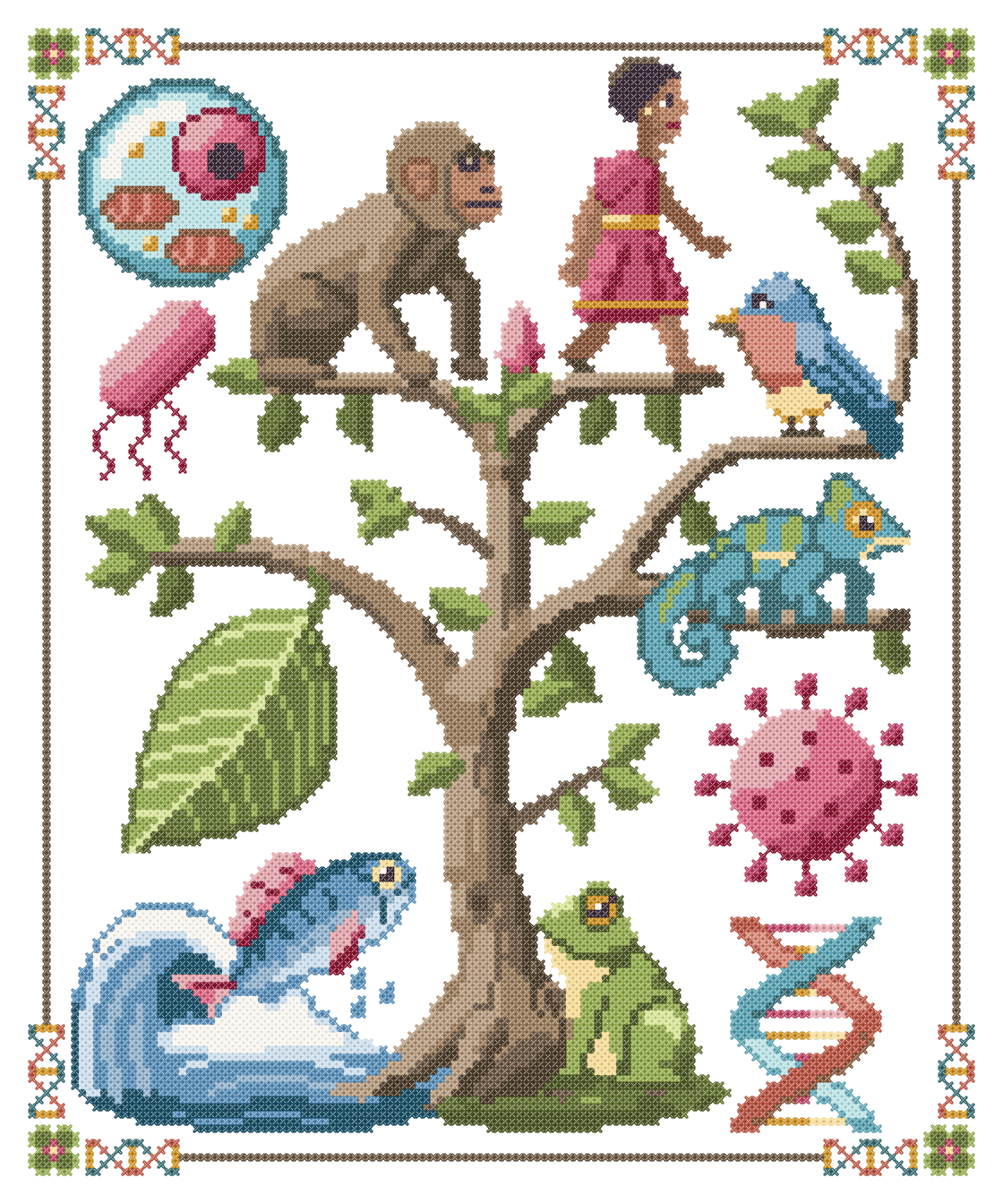
Advanced 10,290 stitches 9.4 × 11.4 in · 28 colors
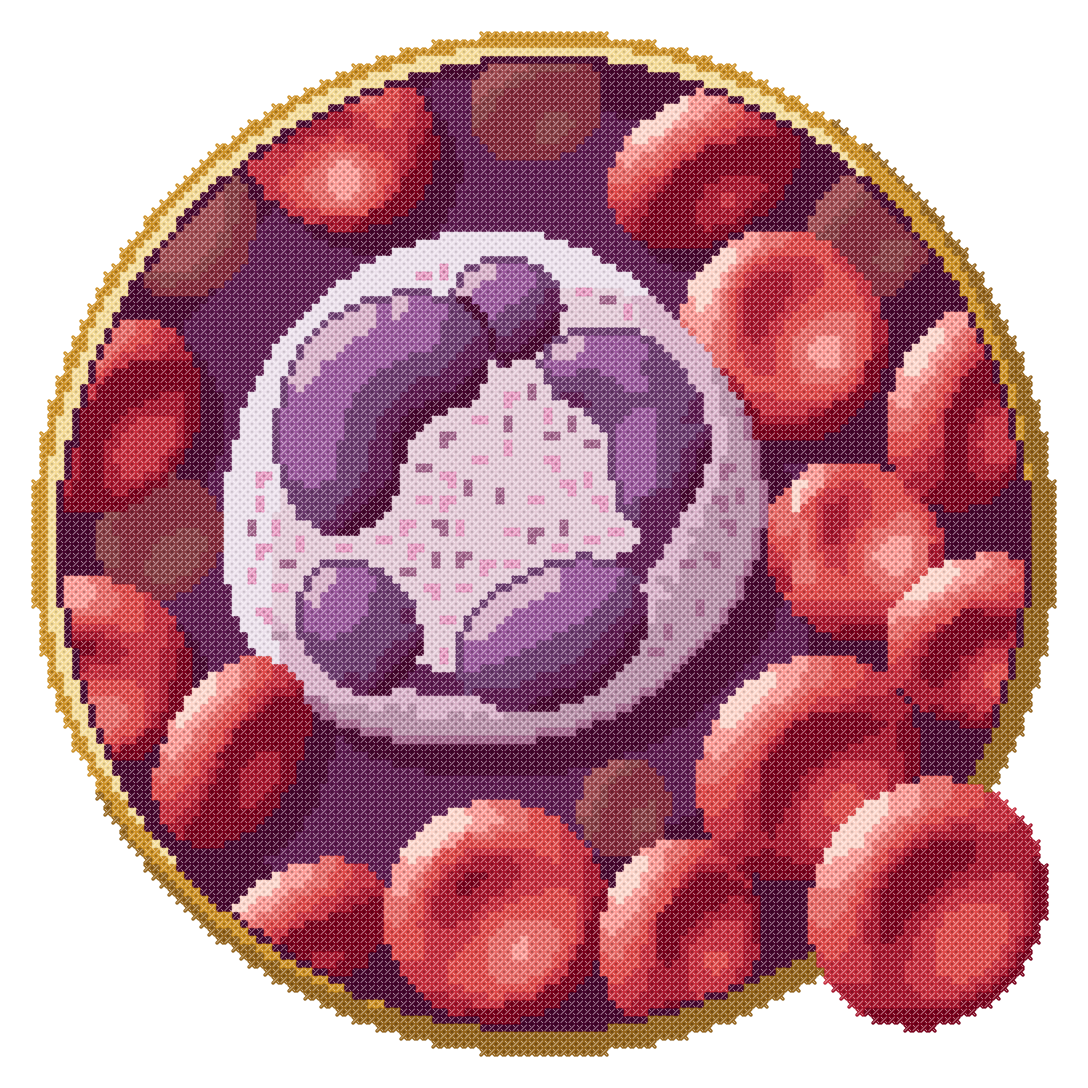
Advanced 13,330 stitches 9.1 × 9.1 in · 23 colors

Advanced 21,755 stitches 10.7 × 10.7 in · 21 colors
New to cross stitch? How to cross stitch
Count is the number of squares to the inch: 14-count fabric has 14, and a higher count makes the same design smaller. DMC is the thread maker whose color numbers most charts use.